
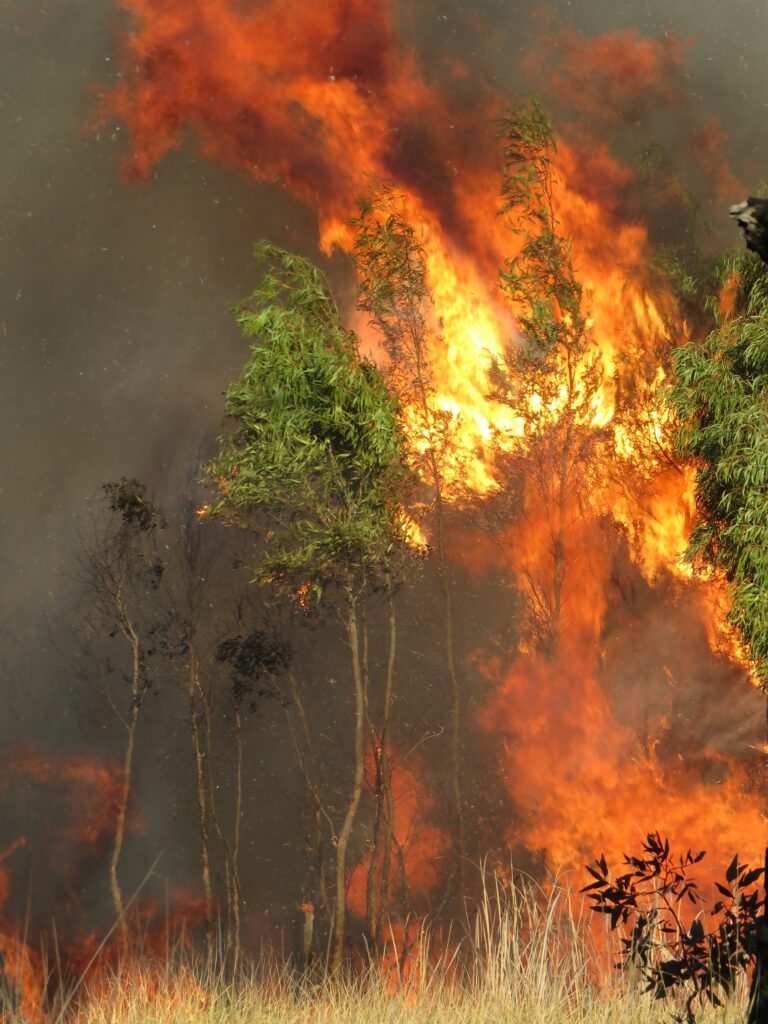
Australia’s bushfire seasons bring with them the challenge of safeguarding homes and properties from potential threats. Your roof, being the first line of defence, plays a critical role in protecting your home. Here’s a comprehensive guide on how to best safeguard your roof during bushfire season, ensuring the safety of your property and loved ones.
- Embrace Fire-Resistant Materials
First Line of defence Opt for fire-resistant roofing materials such as metal, concrete tiles, or certain types of asphalt shingles. These materials are less susceptible to ignition, providing a crucial layer of protection.
- Regular Roof Maintenance
Prevention is Key Conduct regular roof inspections and maintenance. Ensure there are no loose or damaged tiles, shingles, or other roofing elements that could become vulnerable during a bushfire.
- Gutter Maintenance
Clear Debris Keep gutters and down spouts clear of leaves, twigs, and debris. Clogged gutters can act as fuel during a fire, posing a significant risk to your roof and home.
- Create a Defensible Space
Clear Surroundings Maintain a defensible space around your home by clearing away dead vegetation, leaves, and flammable materials. This reduces the risk of ember attack and minimises the chances of a fire spreading to your roof.
- Install Ember Guards
Additional Protection Consider installing ember guards over vents and in gutters. Ember attacks are a common cause of house fires during bushfires, and these guards can help prevent embers from entering vulnerable areas.
- Seal Roof Gaps and Crevices
Close Entrances Seal any gaps or crevices in your roof where embers could potentially enter. Use fire-resistant sealants to close off openings around vents, chimneys, and roof edges.
- Install Spark Arrestors
Chimney Safety If you have a chimney, install a spark arrestor to prevent sparks or embers from escaping and landing on your roof.
- Consider a Roof Sprinkler System
Active defence Install a roof sprinkler system that can be activated during a bushfire threat. Wetting the roof surface can significantly reduce the risk of ignition.
- Fire-Resistant Coatings
Protective Layers Apply fire-resistant coatings to your roof. These coatings can add an extra layer of protection, making it more challenging for flames to take hold.
- Maintain Access for Emergency Services
Clear Paths Ensure easy access for emergency services. Trim overhanging branches, clear debris, and create a clear path to your property, allowing firefighters to navigate and protect your home.
- Have an Evacuation Plan
Safety First Have a well-thought-out evacuation plan in place. In the event of an approaching bushfire, prioritise your safety and follow evacuation guidelines provided by local authorities.
- Stay Informed
Early Warnings Stay informed about fire conditions and warnings in your area. Early awareness allows you to implement preventive measures and evacuate if necessary.
- Emergency Roof Protection Kits
Be Prepared Consider having an emergency roof protection kit on hand. This may include fire-resistant tarps, hoses, and other tools that can be used to protect your roof during a bushfire emergency.
- Professional Assessment
Expert Guidance Consult with roofing professionals to assess the fire resistance of your current roof and identify any areas that may need reinforcement or improvement.
Safeguarding your roof during bushfire season is a proactive measure that contributes to the overall protection of your home. By adopting fire-resistant materials, conducting regular maintenance, and implementing additional protective measures, you can enhance your roof’s resilience in the face of potential threats. Remember, early preparation and staying informed are crucial elements of a comprehensive strategy to protect your property during bushfire season in Australia.
Salt Exposure
Living by the coast means exposure to salty air, and salt can be a harsh adversary to your home’s exterior. Salt spray can accelerate the deterioration of certain building materials, leading to rust, corrosion, and peeling paint. In such environments, regular maintenance and protective measures become crucial.
UV Radiation
Coastal areas often experience intense sunlight, and the sun’s ultraviolet (UV) rays can take a toll on exterior surfaces. Paint that is not UV-resistant may fade and lose its vibrancy over time. When considering painting your coastal home, opting for UV-resistant paints can help preserve the colour and appearance of the exterior.