
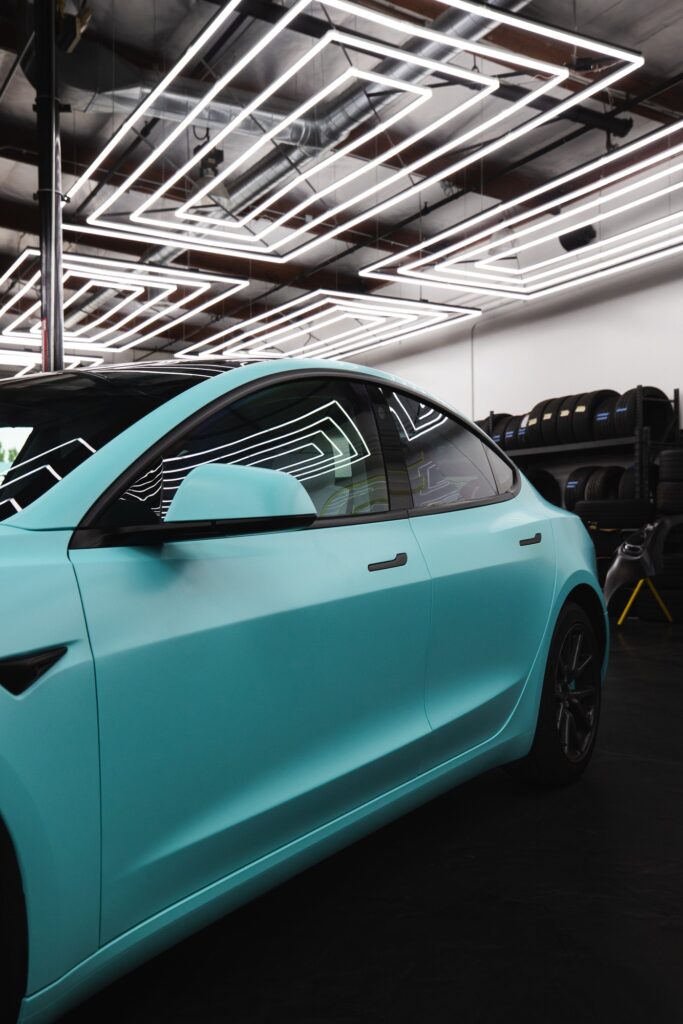
While glossy finishes have long been synonymous with automotive elegance, matte finishes have emerged as a sleek and sophisticated alternative that exudes understated luxury. Achieving a matte finish on your car requires careful preparation, the right materials, and a meticulous application process. In this guide, we’ll explore the steps to transform your vehicle into a matte masterpiece that stands out with subtle allure on the road.
- Surface Preparation:
Achieving a flawless matte finish starts with proper surface preparation. Begin by thoroughly cleaning the entire vehicle to remove dirt, grease, and contaminants. Use a mild detergent and water solution and consider using a clay bar to ensure a smooth and debris-free surface.
After cleaning, sand the car’s surface using fine-grit sandpaper. This step helps create a uniform texture and removes any existing gloss from the previous paint job. Be thorough but gentle to avoid damaging the underlying surface.
- Choose the Right Matte Paint:
Not all matte paints are created equal, and choosing the right one is crucial for achieving the desired finish. Matte paints come in various formulations, so select a high-quality automotive matte paint that suits your preferences. Consider factors such as colour options, durability, and compatibility with your vehicle’s surface.
- Test and Mask:
Before committing to a full paint job, conduct a small test on an inconspicuous area to ensure that the chosen matte paint adheres well and delivers the desired finish. Once satisfied, mask off areas you want to protect, such as windows, lights, trim, and other non-paintable components, using high-quality painter’s tape and masking film.
- Application Techniques:
Applying matte paint requires a different approach than traditional glossy finishes. Here are key techniques to master:
Spray Gun: Use a high-quality spray gun to apply the matte paint evenly. Opt for a low-pressure setting to avoid excessive buildup and runs. Keep the gun at a consistent distance from the surface, moving in smooth, overlapping strokes.
Multiple Thin Coats: Instead of applying one thick coat, opt for multiple thin coats of matte paint. This allows for better control, reduces the risk of runs, and promotes an even finish. Follow the manufacturer’s recommended drying time between coats.
Consistent Direction: Maintain a consistent direction while spraying to ensure uniform coverage. Avoid changing directions midway through a stroke, as this can lead to uneven texture.
- Allow for Proper Drying Time:
Patience is key when achieving a matte finish. Allow the painted surface to dry completely between coats and after the final application. Rushing the drying process can lead to imperfections and compromise the matte effect.
- Matte Clear Coat (Optional):
For added protection and a smoother finish, consider applying a matte clear coat over the painted surface. Matte clear coats are designed to enhance durability while preserving the non-reflective nature of the matte finish. Follow the manufacturer’s recommendations for application.
- Final Inspection:
Once the matte paint has dried, conduct a final inspection to ensure an even and consistent finish. Check for any imperfections, runs, or areas that may require touch-ups. If necessary, address these issues before considering the job complete.
Conclusion:
Transforming your car into a matte masterpiece requires meticulous attention to detail and a commitment to proper preparation and application techniques. By following these steps, you can achieve a stunning matte finish that not only reflects your unique style but also exudes an understated elegance that sets your vehicle apart on the road. Whether you prefer subdued sophistication or bold minimalism, a matte finish is a versatile choice that adds a touch of subtle luxury to your automotive canvas.